Oct 28, 2026Materials & Care
What Was the Brass Era?
What was the Brass Era, why did early cars wear brass, what ended it, and how it inspired the Brassera name?
When exploring historic machinery or architecture, you may encounter the phrase Brass Era. While it sounds like an ancient epoch or an artistic movement, the term identifies a pioneering chapter in automotive history. Many homeowners and designers come across the phrase when researching traditional materials, wondering how an industrial metal gave its name to an entire generation of early motorcars.
Between the late nineteenth century and the early twentieth century, road vehicles evolved from experimental contraptions into recognizable horseless carriages. What caught the eye of onlookers was the warm, yellow-gold metallic flash of polished fixtures across the era's motorcars. Exposed brass defined the visual experience of early roadways.
Understanding this period clarifies why the metal holds an enduring place in design history. This guide outlines what defined the era, why carriage builders relied on brass, how drivers maintained it, what brought the chapter to a close, and where the term resonates today.
The Brass Era in One Line
In automotive history, the Brass Era identifies the formative span from about 1895 to 1915. During these roughly two decades, production moved from small carriage shops to factories, and the motorcar became a recognized mode of transportation. The era takes its name from the generous, unpainted brass hardware fitted across nearly every vehicle built during those years.
Unlike later vehicles that hid their functional assemblies behind painted sheet metal, early motorcars displayed their mechanical fixtures out in the open. Builders mounted polished brass where onlookers would notice it first. Radiators, headlamps, windshield frames, and trim gleamed with yellow metal, giving the era its unmistakable golden signature.
undefined
Why Cars Wore Brass
Early car builders chose brass for reasons grounded in practical metallurgy. In the late nineteenth century, heavy stamping presses capable of drawing deep, complex shapes from sheet steel were not yet part of everyday workshop practice. Steel was stiff, difficult to form into compound curves, and quick to rust when exposed to outdoor moisture.
Brass offered superior workability, making it easy to shape and polish. Artisans could cast solid brackets, spin delicate lamp housings, and bend tubular windshield supports without cracking. Furthermore, brass gave vehicles a bright metal look without paint. While raw iron needed primer and enamel, brass needed only mechanical buffing to display a glowing, reflective face.
This visual appeal came with significant hand labor. Hand-fitted, polished brass trim was costly and labor-intensive to produce. Skilled metalworkers spent hours filing, fitting, and buffing every component by hand. Exposed brass served as clear evidence of hand assembly and mechanical care.
How the Era Got Its Name
The label arrived later. Contemporary drivers simply spoke of horseless carriages and automobiles; it was later historians and collectors who, looking back across automotive styling, named the period for its brass.
When scholars compared early vehicles to those built in subsequent decades, the divergence was obvious. Later eras favored dark paints and plated or painted trim, but the period between 1895 and 1915 belonged to exposed brass. The metal was the single most conspicuous decorative feature shared across different coachbuilders.
Naming the era after its primary material follows a long historical tradition. Just as ancient epochs carry the names of bronze or iron, the opening chapter of automotive history took its identity from the golden alloy that adorned its pioneering machines.
Brass That Needed Polishing
Behind the romantic shine of sunlit brass lay a demanding maintenance reality. On the road, exposed brass dulled as it reacted with air, moisture, and grime, fading to a brownish tone over time; keeping it bright meant regular polishing.
For early motorists, keeping a vehicle presentable required frequent physical effort. Dust from unpaved roads, soot from flame-fueled lamps, and morning dampness dulled the metal quickly. Maintaining that mirror luster demanded steady rubbing with polishing paste and soft cloths. Drivers or caretakers spent hours working over radiators, headlamp housings, and windshield brackets to lift oxidation and restore the shine.
This ongoing upkeep meant that an automobile's appearance reflected direct human care. A gleaming brass radiator showed visible attention to the machine. For many owners, polishing was simply part of the routine of keeping an automobile in fine order.
What Ended the Brass Era
The reign of exposed brass could not survive the rapid rise of automotive mass production. By about 1915, vehicle manufacturing shifted from small shops into high-speed factory assembly lines. Hand-forming, hand-fitting, and buffing individual brass components created a major bottleneck that slowed output and drove up costs.
Advances in steel stamping and painting offered a far more practical path forward. Stamped steel body parts cost a fraction of hand-finished brass, and factory paint let makers finish them quickly in dark, uniform colors. Industrial economics made painted steel the obvious choice.
Lighting technology delivered another decisive transformation. Early motorcars relied on flame-lit brass headlamps. Around 1915, electric lighting systems were quickly becoming standard. Electric lamps did not need bulky brass lamp housings or fuel reservoirs, so builders could house them in painted steel bodies instead of freestanding brass lanterns.
Consumer tastes changed alongside these industrial methods. Buyers favored sober, uniform styles over bright, high-maintenance ornamentation. Automakers shifted toward dark, all-black paint schemes and subtle nickel plating, which required far less polishing than raw brass. By 1915, the golden era had given way to modern industrial automaking.
Where the Term Lives on Today
Today, the phrase remains a respected classification in automotive history. Collectors still group early cars by eras such as veteran and vintage, with the Brass Era defining that transitional period when mechanical experimentation met coachbuilding craftsmanship.
For historians and restoration specialists, vehicles from this period represent a distinct chapter in functional design. Restoring these vehicles means conserving original castings and hand-polishing brass fixtures back to their historical luster.
Beyond automotive restoration, the term represents an enduring appreciation for honest materials and visible craft. It recalls a time when functional machines carried warmth, individuality, and human touch. When contemporary designers examine this chapter, they find inspiration in how an unpainted metal brought dignity to utilitarian objects.
From the Brass Era to Brassera
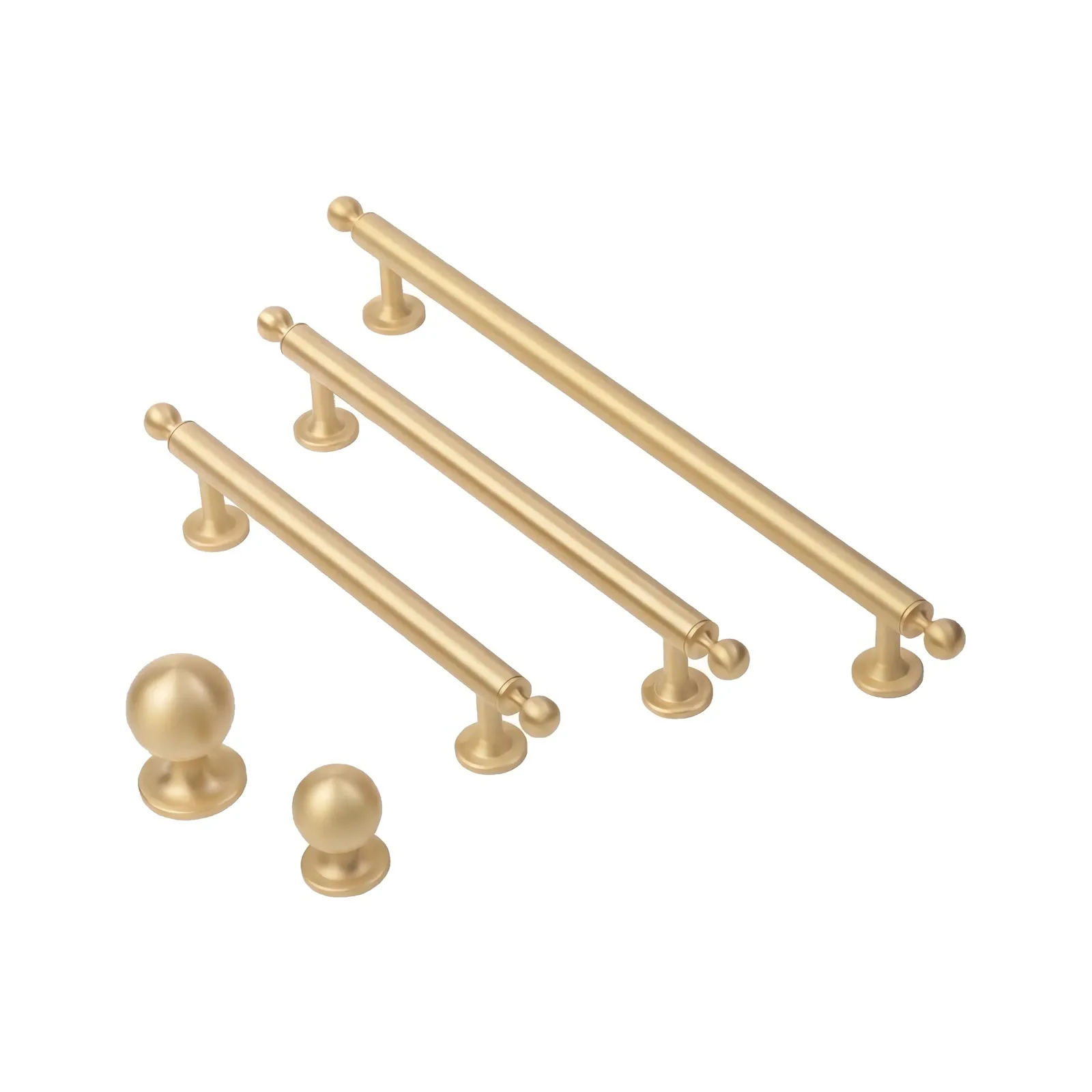
That same appreciation for visible craft bridges early industrial history with contemporary interior architecture. The brand name Brassera draws its inspiration from this historic chapter, reflecting an appreciation for brass and its enduring character. Just as early coachbuilders used yellow metal to give distinction to functional machines, modern interior spaces use brass hardware to bring warmth and architectural presence to cabinetry.
Whether paired with natural wood, painted Shaker doors, or minimalist millwork, brass hardware adds a sense of craft to everyday touchpoints. If you appreciate the heritage of warm metal and want to see how this time-honored material translates into contemporary design, we invite you to browse the modern brass hardware collection.