Oct 26, 2026Materials & Care
Brass Finishes Explained: Polished, Brushed and PVD
Polished, brushed and PVD brass finishes compared for look, wear and cleaning, with a simple way to coordinate one finish family across a room.
When planning a cabinet hardware refresh, brass is frequently a favored choice for its natural warmth and timeless character. Yet choosing among finishes raises practical questions about daily wear. A finish governs how light reflects across cabinet faces, how noticeably fingerprints appear, and how the metal matures over years of daily handling.
Whether you are outfitting a busy kitchen or bathroom vanity, choosing among polished, brushed, or coated surfaces shapes the entire room. Sorting through these treatments helps align your design preferences with realistic upkeep habits, so your pulls and knobs remain balanced and intentional.
This guide compares the three treatments side by side, explains how each one ages with daily use, and closes with a simple decision sequence, so you can settle on a single finish family with confidence.
undefined
The Brass Finish Family at a Glance
Before comparing looks, it is essential to distinguish between base metal and surface finish. Brass serves as the structural metal beneath, providing weight and mechanical integrity for pulling and turning. The finish is the final surface treatment. Within brass hardware, there are three primary visual treatments: polished brass, brushed brass encompassing satin and matte appearances, and coated surfaces produced through Physical Vapor Deposition.
Each finish interacts with interior lighting and handling in distinct ways. Polished surfaces produce mirror reflections, brushed surfaces scatter light across directional grain, and deposited coatings introduce a bonded outer layer. Understanding these differences helps you choose an appearance that complements your daily routine.
Polished Brass: The Mirror-Bright Look
Polished brass carries a mirror-like reflection. When overhead light strikes a polished pull or knob, the surface returns crisp highlights and warm golden tones. In traditional spaces, this reflective quality creates an unmistakable focal point that highlights surrounding woodwork and door profiles.
That mirror shine does ask for realistic care in daily use. Because the mirror face is smooth, oils from fingertips, moisture from damp hands, and water splashes show up clearly against the bright surface. For spaces where regular wiping is acceptable, polished brass delivers a classic, formal gleam.
Brushed Brass: The Soft-Gold Look
Brushed brass is created by passing metal under fine brushes that impart a subtle, directional grain. This texture softens glare, replacing sharp reflections with a diffused golden glow. In the trade, brushed and satin are frequently used interchangeably. While satin describes a smoother texture with softer sheen, both represent low-glare treatments rather than fundamentally separate manufacturing methods.
The practical benefit of a brushed surface lies in hiding day-to-day marks. Linear grain scatters light, making fingerprints, light smudges, and small scratches far less noticeable than on mirror surfaces. This forgiving quality makes brushed and satin treatments a sensible match for active family kitchens and primary bathrooms touched throughout the day.
PVD Brass: What the Coating Does
In hardware manufacturing, PVD stands for Physical Vapor Deposition, a vacuum-based finishing process. Metal is vaporized inside a sealed chamber and deposited onto the hardware, forming a thin, hard layer bonded to the surface rather than a separate, loose topcoat.
Because this bonded layer is harder than a conventional plated or lacquered coat, it tends to hold up better under everyday abrasion and skin contact, and to keep its color steadier over time. Across the industry, PVD remains a specialized process rather than a universal standard, which is one reason deposited coatings behave differently from traditional metal treatments.
Tarnish, Patina and Living Finishes
Over time, raw brass interacts with air, humidity, and touch, undergoing a surface change known as tarnish. As oxidation deepens, it develops into an organic patina. Brass does not suffer from red rust, which is an iron-specific breakdown. The oxidation is simply a surface change that affects warmth of tone, not structural strength.
How aging unfolds depends on whether the brass is unlacquered or lacquered. Unlacquered brass, often called a living finish, has no protective clear sealant. It reacts continuously with air and skin oils, deepening into antique tones while high-contact areas stay brighter from friction, creating an evolving, organic appearance.
Lacquered brass receives a clear topcoat designed to hold factory color steady. While this barrier delays oxidation, friction from heavy use can wear down the clear layer. When moisture creeps beneath worn sections, localized dark spots can form.
Choosing a Finish by Wear and Daily Use
Selecting a finish involves balancing room demands against maintenance habits. High-touch areas, such as lower kitchen drawers and pantry doors, experience frequent contact from damp or busy hands. In these zones, brushed textures or bonded coatings excel by masking smudges. In low-touch areas like guest rooms or upper display cases, polished surfaces shine with minimal upkeep.
Caring for brass hardware follows practical rules to protect the exterior. The foundational principle across all finishes is to keep hardware dry. When routine cleaning is needed, wipe with a soft cloth dampened in mild, soapy water, then dry the surface right away. Prompt drying guards against mineral spots and localized oxidation marks.
Harsh treatments are best left out: avoid abrasives and aggressive or acidic cleaners, which scratch metal and strip protective coatings. When installing multi-piece matching sets across cabinetry, clean and wipe pulls and knobs together so the pieces maintain balanced handling and develop uniform surface wear.
Coordinating Brass Finishes Across a Room
Creating visual harmony does not require every metal accent to match identically, but open layouts benefit from alignment. A straightforward approach is to choose one finish family and carry it through pulls, knobs and door hardware across the entire space. Unifying cabinet handles and passage doors under a shared tone creates architectural cohesion. Undertones that look close side by side can read differently under artificial lighting, which is why a single family carried through the room reads as calmer than several near-matches.
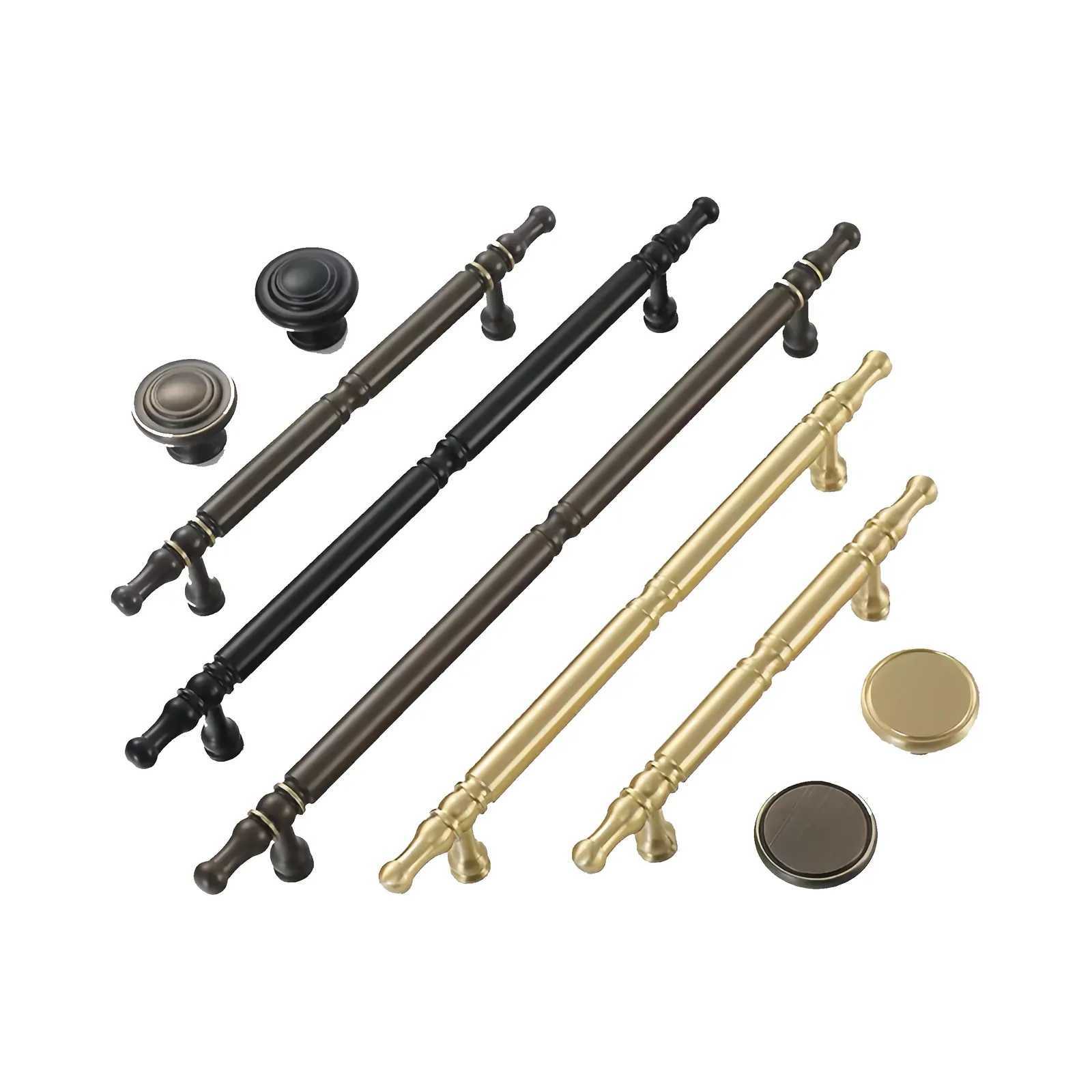
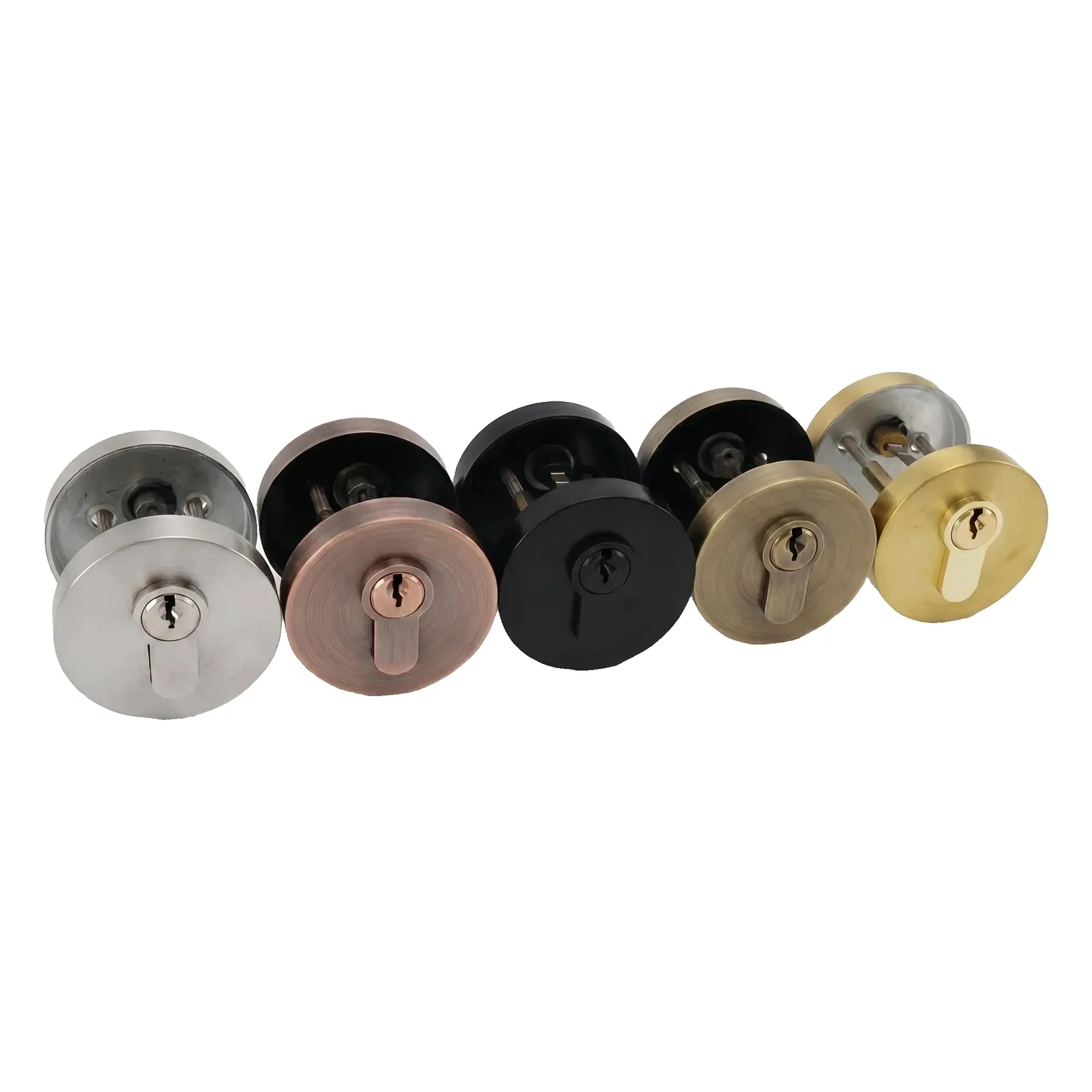
Hardware catalogs feature distinct finish names, and specific availability varies by product. The range includes Matt Black, Brass Gold, Champagne Gold and Satin Nickel, along with Coffee, Brushed Gold, Dark Gray and Oil-Rubbed Bronze. Within the brass category, offerings generally align into polished and matte or antique tones. Establishing one finish family as your visual anchor helps avoid clutter between adjacent doors and cabinets.
Order of Decisions and Next Step
When planning an update, many people begin with finish color, only to face sizing hurdles later. A smoother sequence is to address the mount situation first, taking into account hole count and spacing across cabinet doors and drawers. Once mounting requirements are clear, choose your style profile, and finalize the surface finish last.
Following this orderly path helps your new pulls and knobs fit your existing cabinet fronts smoothly while bringing the warmth and character of brass into your living spaces. When you are ready to evaluate different profiles and select a cohesive finish family for your home, browse the cabinet hardware range to discover options tailored to your project.