Oct 22, 2026Buying Guides
Knobs or Pulls? A Practical Guide to Choosing Cabinet Hardware
Deciding between cabinet knobs and pulls comes down to mounting points, drawer weight, and room layout. Learn how to choose the right hardware for every door and drawer front.
Standing in front of a newly installed cabinet run or planning a hardware update across an entire kitchen often brings you to a fundamental choice: should you install knobs or pulls? While the decision influences the overall look of your cabinetry, it is first and foremost a practical question about how your doors and drawers operate each day.
At a glance, both options serve the same basic purpose of opening storage compartments. Mechanically, however, knobs and pulls interact with your hands and cabinet fronts in very different ways. A knob anchors to a single point and is typically operated with a fingertip pinch, whereas a pull spans two anchor points to provide a broader grip that can accommodate several fingers or your whole hand.
Finding the right balance across your space means looking at cabinet construction, drawer width, door height, and daily physical movement. This guide walks through the structural differences between knobs and pulls, explains how different furniture pieces steer the decision, and outlines practical strategies for mixing both hardware types across a cohesive room layout.
Single-Point and Two-Point Mounting: The Core Difference
The defining physical difference between a knob and a pull lies in how each piece fastens to the cabinet face. A cabinet knob is a single-point piece secured through one drilled hole using a single rear mounting screw. Because a knob fastens at one central point, it carries no center-to-center spacing dimension to measure or align during installation.
A cabinet pull is a two-point mounted piece that requires two distinct holes drilled through the front. Consequently, every cabinet pull carries a specific center-to-center hole spacing, which represents the precise distance between the centers of the two screw holes. If you are updating existing cabinets where mounting holes are already drilled, checking the hole count is your essential starting point. Replacing an existing single-hole knob with another knob requires no alteration, while installing a pull requires either matching existing two-hole spacing or drilling a new mounting point. A dedicated overview of hole spacing is covered in our center-to-center measurement guide.
How Drawer Width and Front Weight Steer the Choice
The physical dimensions and loaded weight of your drawers provide clear guidance on whether to choose a knob or a pull. Small and shallow drawers, such as top cutlery trays, bathroom vanity drawers, or narrow spice pullouts, require minimal pulling effort. For these compact fronts, a single centered knob or a compact pull provides comfortable operation without overwhelming the face of the drawer.
Wider and deeper drawers demand a different functional approach. Large cookware drawers, deep pantry slide-outs, and heavy utility boxes often hold substantial weight, creating noticeable resistance against the drawer runners. On these heavy fronts, a two-point pull offers a full handhold that distributes pulling force across two distinct fastening points. Choosing standard pull spans such as 128 mm, 160 mm, or 192 mm gives you comfortable four-finger clearance, reducing strain on both the hardware and the drawer front during repeated daily use.
Fitting Hinged Doors, Cupboards, and Tall Fronts
Cabinet doors operate on hinges rather than slide along tracks, which changes the leverage required to open them. Standard upper wall cabinets and compact cupboard doors swing open easily with a gentle touch. Placing a single-point knob near the opening edge provides a convenient grip point while keeping upper wall elevations looking open, clean, and uncluttered.
Tall vertical doors benefit from the extended visual and physical presence of a pull. Full-height pantry units, integrated linen storage, and large wardrobe doors present tall vertical surfaces that can make a small knob look visually lost. Installing longer profile pulls spanning 480 mm or wardrobe profile pulls up to 780 mm creates an elegant vertical line that mirrors the proportions of the tall front while offering a generous grasping area at convenient standing heights.
Exploring Knob and Pull Profiles Across the Catalog
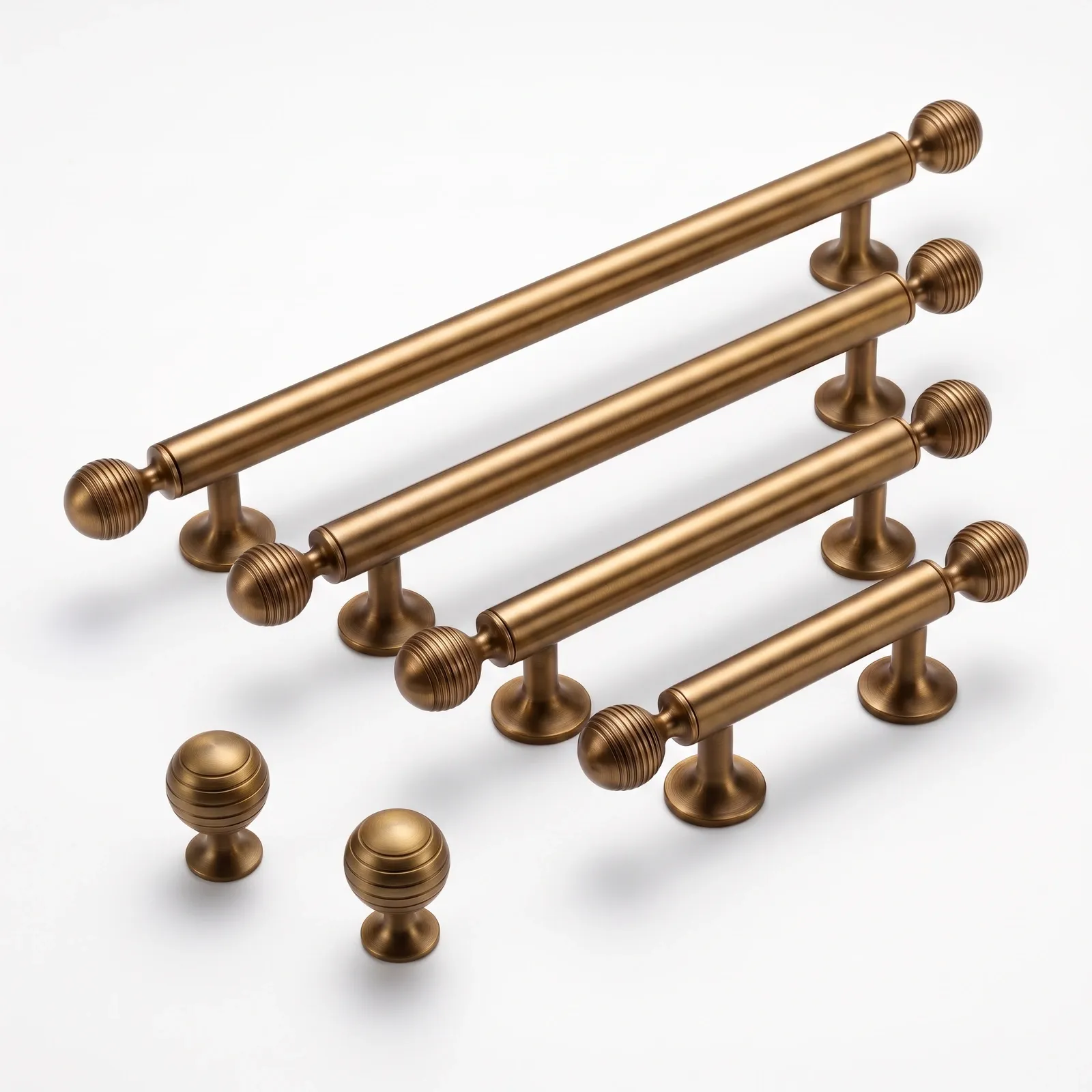
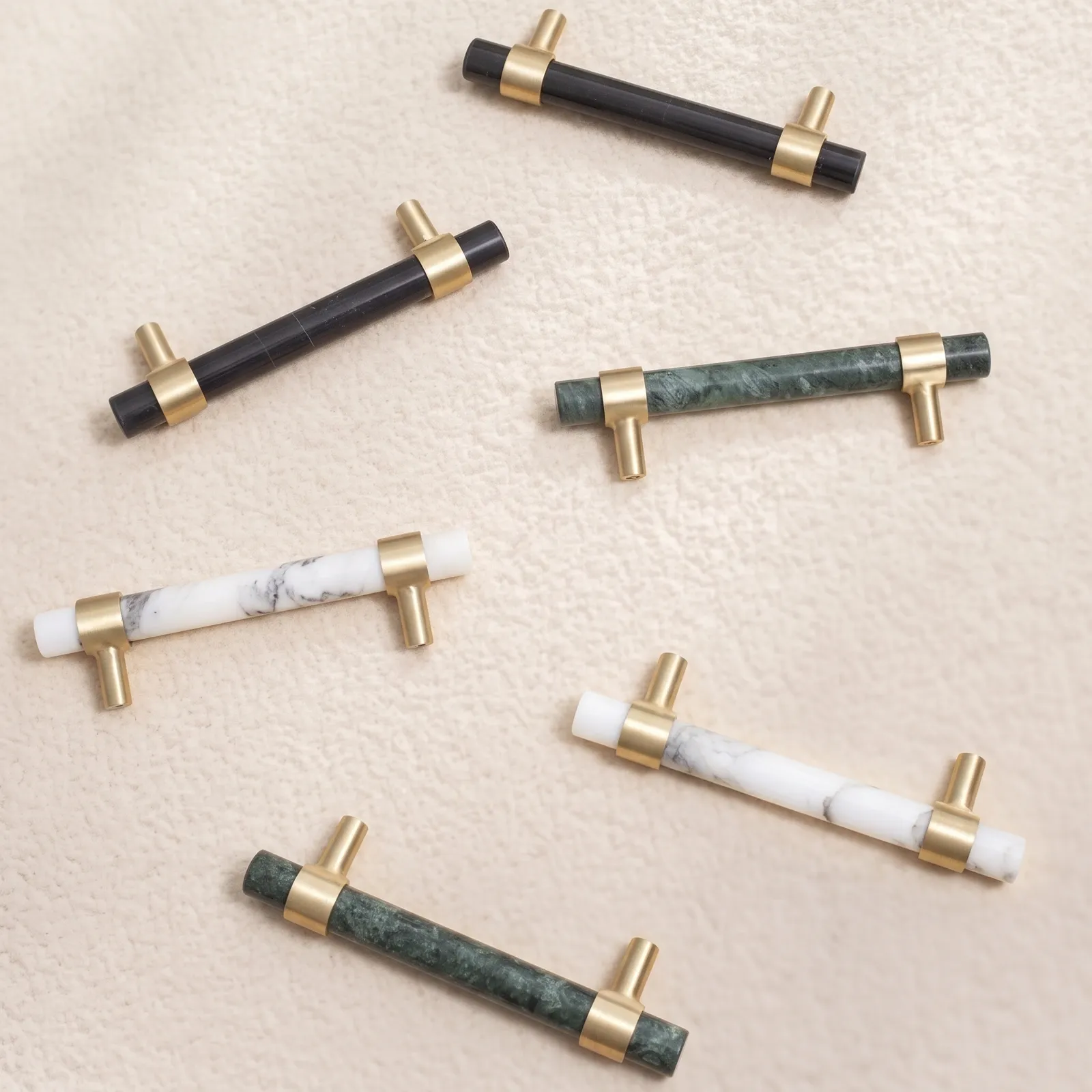
Choosing between hardware types does not limit your aesthetic direction, as both categories encompass a broad selection of structural profiles. The Brassera knob collection includes versatile round knobs, structured square knobs, and modern T-shaped knobs. For distinctive decorative accents, the range also includes mixed-material designs, such as natural white marble knobs set against brass bases and faceted crystal knobs supported by zinc alloy mountings.
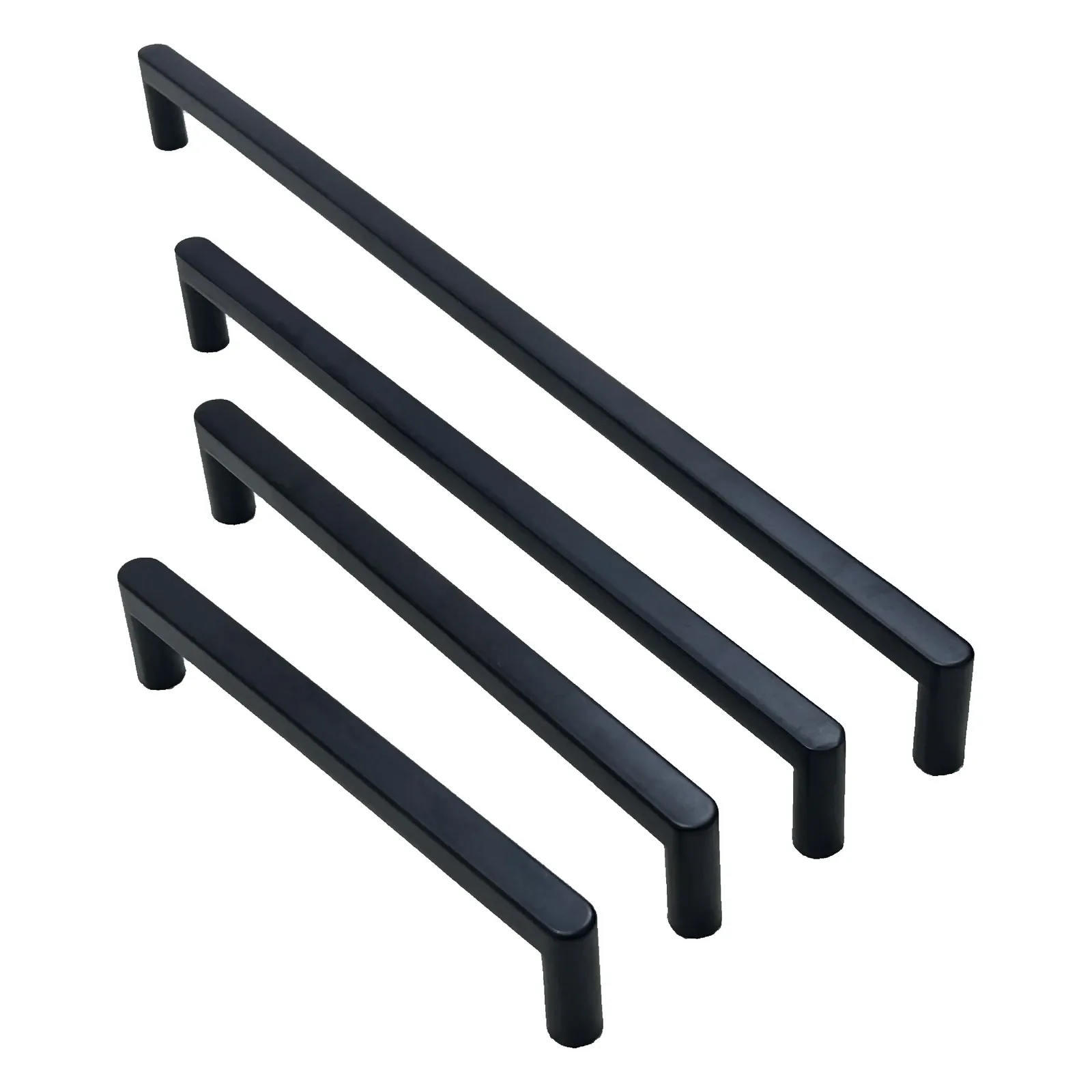
The cabinet pull collection spans an extensive array of functional forms. Available designs include classic bar pulls, modern T-bar handles, curved bridge handles, slim edge pulls, and substantial appliance scale pulls with wide 457 mm spans. Span options within the collection reach from a compact 64 mm up to a full 320 mm, with many profiles also carrying customizable sizing for specialized cabinetry layouts.
Mixing Knobs and Pulls Across a Single Room
You do not need to restrict a room to only knobs or only pulls. Combining both hardware styles within the same space is a practical and widely used design approach that responds directly to how different storage units function. A common convention is to fit single-point knobs on upper swinging doors and two-point pulls on lower drawers and heavy pullouts. This arrangement places easy-to-reach touchpoints at eye level while providing firm, multi-finger grips on lower storage that carries more weight.
Homeowners often worry that using both knobs and pulls in the same room will look inconsistent, but aligning hardware types with the specific function of each door and drawer creates a balanced and practical layout.
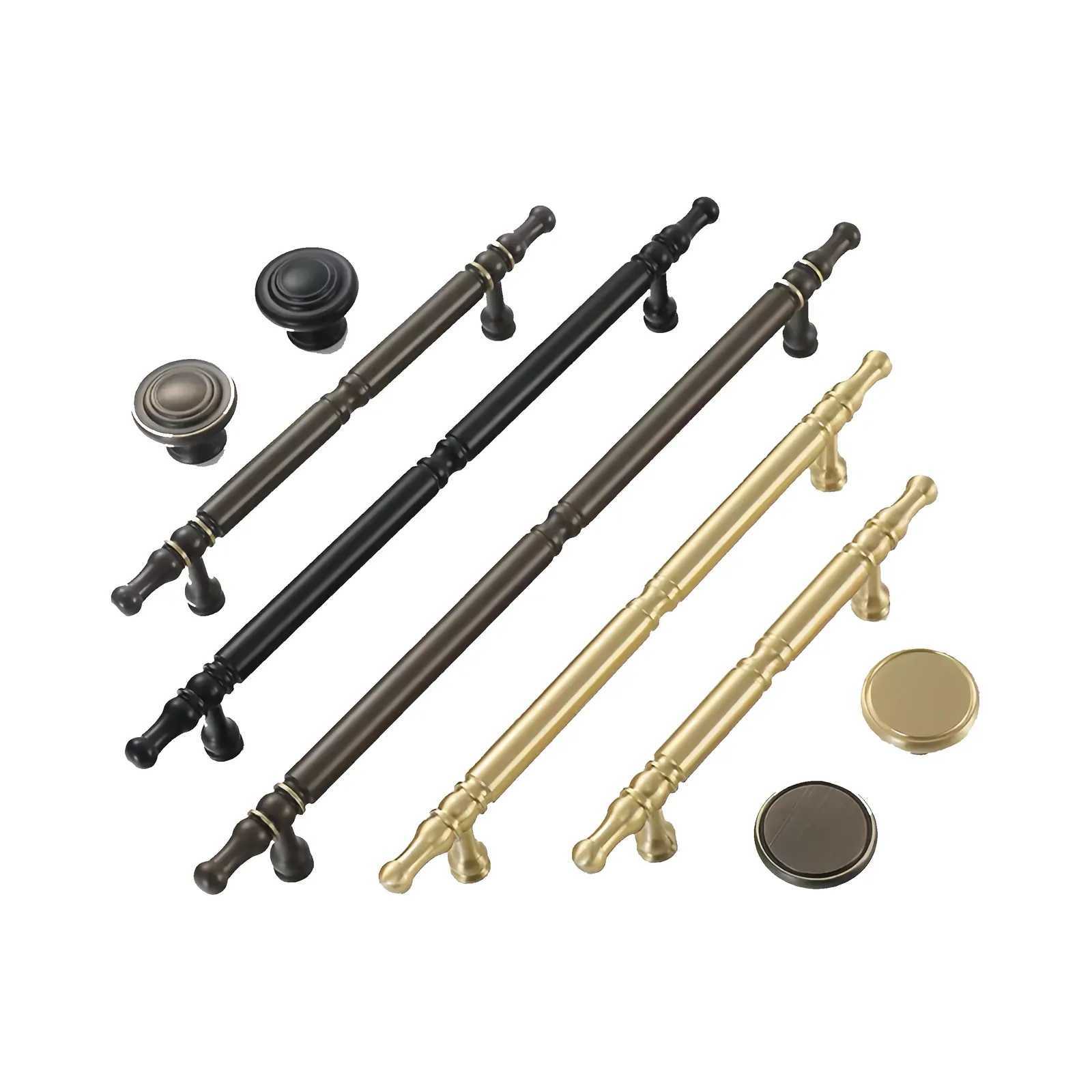
To achieve visual harmony when mixing styles, select pieces that share a consistent design theme. The Brassera catalog offers matched pull-and-knob sets specifically configured for spaces where drawers and cabinet doors sit directly side by side. Using a pull and a knob that share the same base profiling and geometric details keeps the cabinetry looking deliberate, intentional, and balanced.
Coordinating Finishes and Whole-Home Hardware Families
Hardware continuity extends beyond the kitchen or bathroom cabinetry to embrace the surrounding interior space. When planning your pulls and knobs, coordinate their surface finish with nearby door hardware, including interior door handles, door locks, and door stops. Carrying a shared finish throughout the room prevents visual conflict and reinforces a cohesive design palette across the entire interior.
The Brassera catalog repeats standard finish options across cabinet knobs, cabinet pulls, door hardware, and home accents. Whether your project calls for clean Matt Black, warm Brass Gold, subtle Champagne Gold, crisp Satin Nickel, textured Brushed Gold, rich Coffee, Dark Gray, or traditional Oil-Rubbed Bronze, selecting an established finish family allows you to vary hardware sizes and shapes across different rooms while maintaining an overarching sense of design continuity.
A Practical Three-Step Selection Checklist
When finalizing your hardware choices for a renovation or new installation, working through a structured three-step checklist keeps the planning process straightforward and orderly. First, check your mounting conditions by counting the existing holes on each front and recording hole spacings where pre-drilled holes exist. Second, evaluate functional demands by assigning single-point knobs to lightweight swinging doors and reserving sturdy two-point pulls for wide drawers, heavy pullouts, and tall storage panels. Third, select your style and finish palette, taking advantage of matched pull-and-knob sets where adjacent doors and drawers meet.
Taking the time to evaluate each door and drawer individually ensures that every piece of hardware delivers reliable comfort and appropriate mechanical support. When you are ready to explore specific shapes, hole spacings, and coordinated finish collections, browse the Brassera cabinet hardware range to find the ideal combination of knobs and pulls for your home.